skip to content

Cambridge Reproduction

 
Read more at: Joint event with Cambridge Zero explores intersections between reproduction, sustainability and climate change
Photo from event on 'Reproduction and sustainability', November 2025

Joint event with Cambridge Zero explores intersections between reproduction, sustainability and climate change

17 November 2025

On Thursday 13 November, Cambridge Reproduction joined forces with Cambridge Zero to convene a cross-disciplinary event focused on 'Reproduction and Sustainability'. Participants explored linkages between reproduction and sustainability at different scales, from individual experiences to populations and global systems. The...


Read more at: The ghostwriter and the test-tube baby: a medical breakthrough story
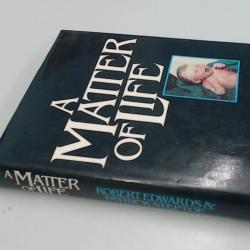
A Matter of Life

The ghostwriter and the test-tube baby: a medical breakthrough story

23 September 2025

Research uncovers how a poet-physician turned the innovation in assisted reproduction into a moving story and amplified the women involved. Previously unseen documents show how a poet performed a major ghostwriting job on the autobiography of the two British pioneers behind the world’s first “test-tube baby”, so that the...


Read more at: Putting women’s health in the spotlight
Amanda Sferruzzi-Perri

Putting women’s health in the spotlight

24 July 2025

Cambridge Reproduction Steering Committee member Amanda Sferruzzi-Perri and other researchers across Cambridge are spotlighted in a new feature as part of the SBS theme focus of Women’s Health. As theme lead Amanda says, “It’s crazy that biological sex has been so overlooked in understanding the body’s responses to drugs...


Read more at: Cambridge Reproduction Co-Chair, Nick Hopwood, to chair upcoming public dialogue exploring views on the 14-day rule for human embryo research
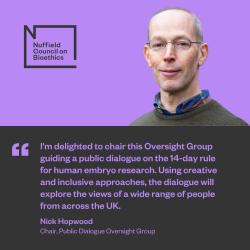
Nick Hopwood

Cambridge Reproduction Co-Chair, Nick Hopwood, to chair upcoming public dialogue exploring views on the 14-day rule for human embryo research

1 July 2025

Nick Hopwood, Professor of History of Science and Medicine, and one of the three Cambridge Reproduction Co-Chairs has been recently announced as chair of the Oversight Group for a public dialogue on reviewing the 14-day rule for human embryo research. This initiative, a partnership between the Nuffield Council on Bioethics...


Read more at: Placenta and hormone levels in the womb may have been key driver in human evolution
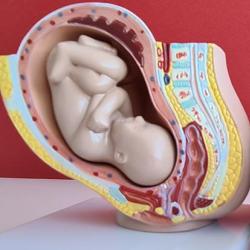
Models of a fetus in the womb and of the brain  Credit: Nadzeya Haroshka (Getty Images)

Placenta and hormone levels in the womb may have been key driver in human evolution

26 June 2025

The placenta and the hormones it produces may have played a crucial role in the evolution of the human brain, while also leading to the behavioural traits that have made human societies able to thrive and expand, according to a new hypothesis proposed by researchers from the Universities of Cambridge and Oxford. Cambridge...


Read more at: Cambridge team attend APPG meeting on Reproductive Equity and the Fibroids Crisis
OandGteam

Cambridge team attend APPG meeting on Reproductive Equity and the Fibroids Crisis

3 June 2025

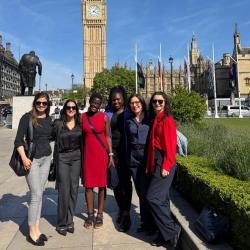
priscilla1.jpg On 14 May 2025, a group of Cambridge Reproduction members from the Department of Obstetrics and Gynaecology, led by Dr Priscilla Day-Walsh, participated in a parliamentary session on Reproductive Equity and the Fibroids Crisis. The meeting was organised by the All-Party Parliamentary Group (APPG) on Black...


Read more at: New ai@cam-funded project on using AI in fertility treatment and diagnosis
From Womb to World

New ai@cam-funded project on using AI in fertility treatment and diagnosis

1 April 2025

Across the world, fertility rates are falling, while families are choosing to have children later on in life. To help them conceive, many couples turn to assisted reproductive technologies such as IVF; however, success rates remain low and the process can be expensive. Mo Vali and Dr Staci Weiss hope that AI can change...


Read more at: University Library exhibition shows medieval remedies for reproductive conditions
Curious Cures

University Library exhibition shows medieval remedies for reproductive conditions

29 March 2025

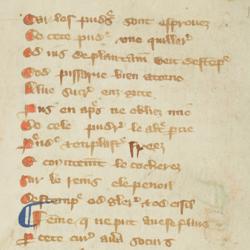
A major new exhibition open now at Cambridge University Library shines a light on health and disease in the medieval world – including how our ancestors sought to manage infertility, childbirth and menstruation. Featuring dozens of unique, centuries-old medical manuscripts, Curious Cures: Medicine in the Medieval World...


Read more at: Genetic study reveals hidden chapter in human evolution
Skulls

Genetic study reveals hidden chapter in human evolution

18 March 2025

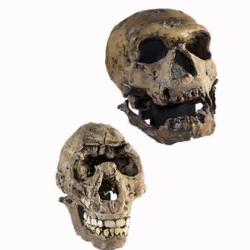
Modern humans descended from not one, but at least two ancestral populations that drifted apart and later reconnected, long before modern humans spread across the globe. A study published in Nature Genetics, co-authored Cambridge Reproduction member Aylwyn Scally, has discovered that modern humans descended from not one...


Read more at: Scientists identify genes that make humans and Labradors more likely to become obese
Dogs

Scientists identify genes that make humans and Labradors more likely to become obese

6 March 2025

Researchers at the University of Cambridge have discovered genes linked to obesity in both Labradors and humans. They say the effects can be over-ridden with a strict diet and exercise regime. Researchers studying British Labrador retrievers have identified multiple genes associated with canine obesity and shown that these...